Weftscapes by Bappaditya Biswas brings contemporary jamdani weaves to Bengaluru
July 31, 2025e-Paper
The View From India Looking at World Affairs from the Indian perspective.
First Day First Show News and reviews from the world of cinema and streaming.
Today's Cache Your download of the top 5 technology stories of the day.
Science For All The weekly newsletter from science writers takes the jargon out of science and puts the fun in!
Data Point Decoding the headlines with facts, figures, and numbers
Health Matters Ramya Kannan writes to you on getting to good health, and staying there
The Hindu On Books Books of the week, reviews, excerpts, new titles and features.
July 31, 2025e-Paper
Weftscapes by Bappaditya Biswas brings contemporary jamdani weaves to Bengaluru
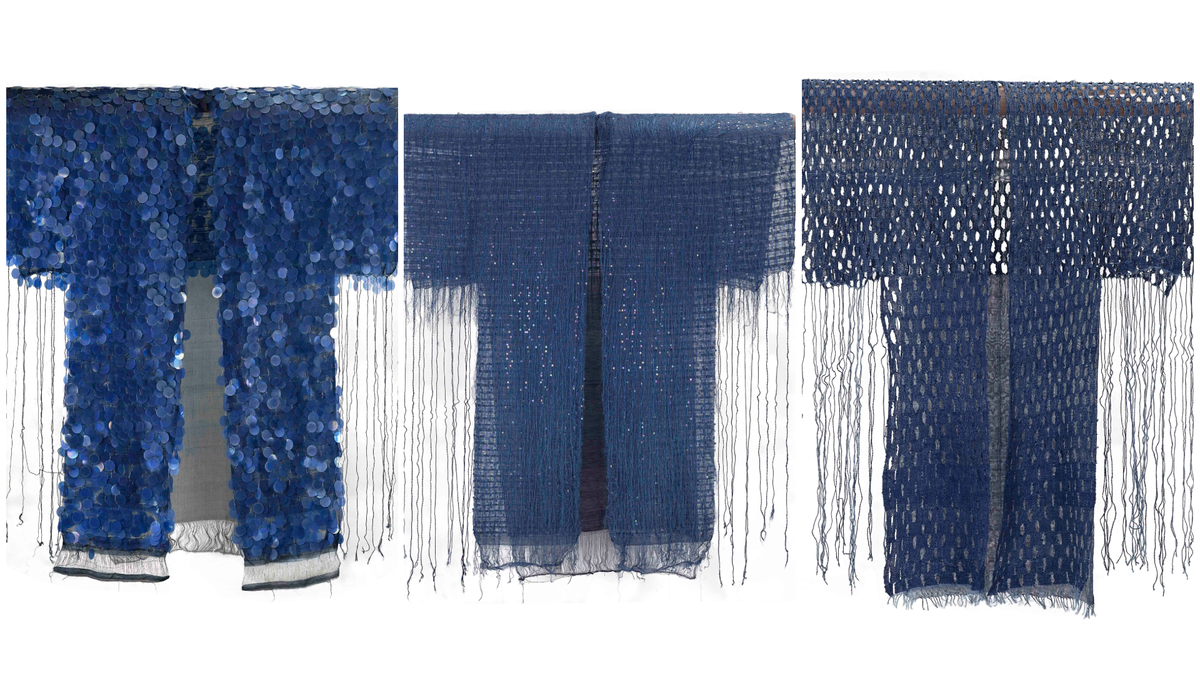
Weftscapes reimagines traditional jamdani weaves with indigo hues, and materials such as wires, bullion threads, and more
Updated - July 31, 2025 02:32 pm IST
Weftscapes blends materials like metal wires, electric cables, chiffon scraps, and bullion threads into the fabric | Photo Credit: Special Arrangement
Six years ago, an art exhibition spotlighting India’s jamdani weave debuted at Serendipity Arts Festival in Goa. Helmed by textile artist Bappaditya Biswas, the exhibition titled New Horizons: Weftscapes, reimagined the weave with a supplementary weft, and blended materials like metal wires, electric cables, chiffon scraps, and bullion threads into the fabric.
Bappaditya Biswas | Photo Credit: Special Arrangement
After doing the rounds internationally, and most recently at the Bengal Biennale, the show now comes to Bengaluru this month. Bappaditya says he began work on the project before the pandemic hit, and the idea was to showcase traditional Indian craftsmanship in a contemporary manner. “Given my experience, I came to realise that when Indian textiles are showcased, the focus is always on the historical aspects of the textile and not what is happening in the present,” says the artist who also co-founded the brand Bai Lou and the iconic Kolkata store, Byloom, with his wife, Rumi.
Silk organza dyed in different shades of indigo was cut in the shape of leaves, and made into a yarn by hand using crochet needles | Photo Credit: Special Arrangement
Bappaditya also explains that another push for the project came in 2018 when the GI tag for the jamdani weave went to Bangladesh. “My artisans questioned their identity. I then started to create something different from what jamdani was usually known for to help create a new identity for the weavers,” says the artist who is also known for chintz paintings.
It is a traditional Indian technique that involves decorating cotton cloth with intricate, vibrant designs using a combination of hand-painting and block printing, and Bappaditya is now working on a set of 20 paintings for a gallery in Delhi.
A dress woven by turning innumerable weft bobbins byhand | Photo Credit: Special Arrangement
And with a mission to spotlight the jamdani, Bappaditya embarked on the project blending indigo with the weave. Both having a rich connection to Bengal, aside, he chose jamdani and indigo to highlight their contemporary adaptations. “I also wanted to highlight the Tangail jamdani, which originated in Bangladesh’s Tangail district. These saris are known for their intricate designs that are woven using a supplementary weft technique, resulting in fine, detailed motifs,” he says of Weftscapes that had six weavers and 10 women artisans on board.
A dress featuring matka silk dyed in madder | Photo Credit: Special Arrangement
An important design detail of the jamdani weave was the use of the colour indigo ‘which also lent its name to several lengths of fabric with the iconic Nilambari sari becoming popular across the subcontinent’. Hence, Weftscapes exclusively uses the Indigo palette ‘with its non-traditional yarns being dyed in organic Indigo vats; namely in a banana vat, dates vat and the henna vat’.
A dress with an extra weft technique of Bengal called Jamdani Machi Buti | Photo Credit: Special Arrangement
Of all the pieces in the collection, Bappaditya says the one using copper wires was the hardest to create. “The weavers couldn’t comprehend using the material,” he says, adding that each piece took 30 to 45 days to finish. Other fabrics include silk organza (dyed in different shades of indigo) cut in the shape of leaves, indigo-dyed cotton balls, yarn from sequins, etc.
Weftscapes will be on display from August 1-3 at Sabha, Shivaji Nagar. The apparel will be on sale from August 4 to 9 at Ambara, No 22, Annaswamy Mudaliar Road, Ulsoor
Published - July 31, 2025 01:31 pm IST
Related Topics
Top News Today
Terms & conditions | Institutional Subscriber
Comments
Comments have to be in English, and in full sentences. They cannot be abusive or personal. Please abide by our community guidelines for posting your comments.
We have migrated to a new commenting platform. If you are already a registered user of The Hindu and logged in, you may continue to engage with our articles. If you do not have an account please register and login to post comments. Users can access their older comments by logging into their accounts on Vuukle.
إرسال تعليق